
The Story Behind The Song: ‘Running Up That Hill (Deal With God)’ Kate Bush’s bargain for understanding
#KateBush #HoundsofLove #RunningUpThatHill
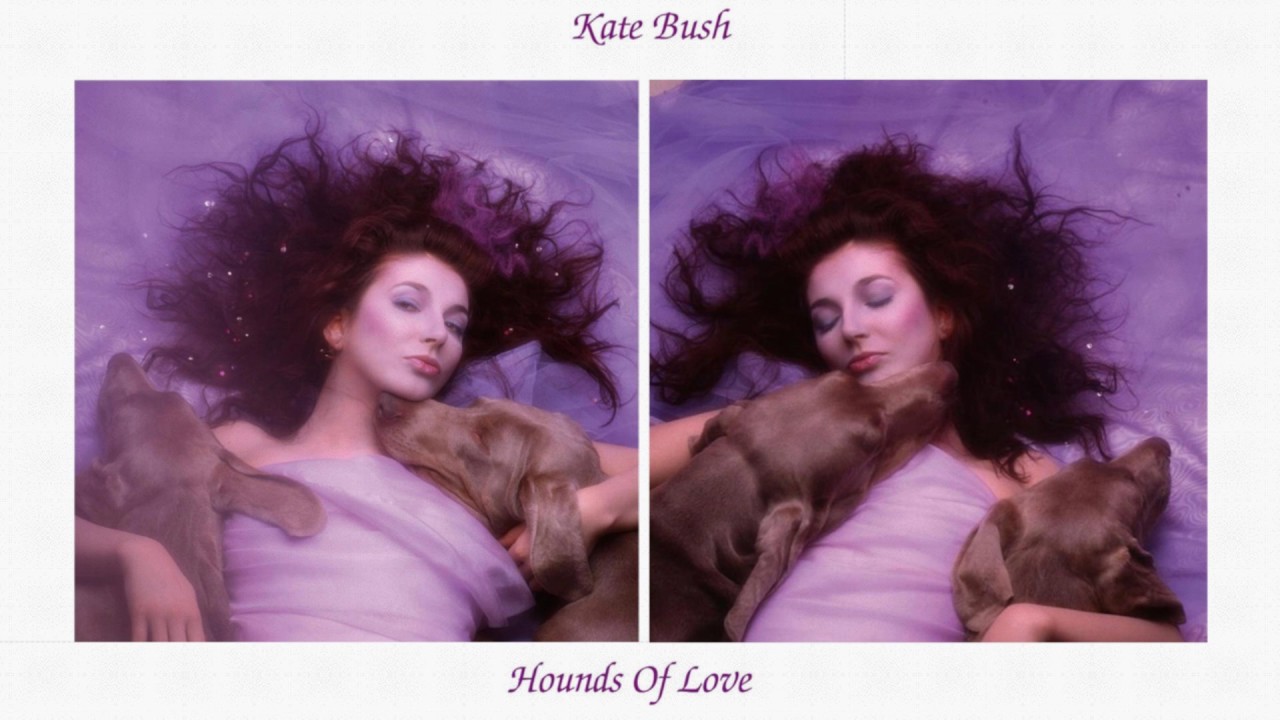
Arriving at the first notes of one of pop music’s seminal moments of theatrical and poetic perfection, Kate Bush’s ‘Running Up That Hill’ straddles the line between synth-operatic gold and a deeply personal and spiritual song about the quest for understanding. In our weekly feature The Story Behind The Song, we’re taking this moment to look at the shining gem in the pop crown that is Bush’s album Hounds of Love and find out the track’s beginnings and it’s continued journey.
The first hit of ‘Running Up That Hill’ is not just a pop masterpiece but an undulating and intriguing song like none that had ever been heard before. It married up the love letter sensibilities that all truly great pop music should at least allude to. But it also gathered up a new level of poetic thinking as Bush’s lyrics explore not only human connection but our relationship with God.
Bush explained in a 1985 interview: “It’s about a relationship between a man and a woman. They love each other very much, and the power of the relationship is something that gets in the way. It creates insecurities. It’s saying if the man could be the woman and the woman the man if they could make a deal with God, to change places, that they’d understand what it’s like to be the other person and perhaps it would clear up misunderstandings. You know, all the little problems; there would be no problem.”
Bush elaborated when speaking to the BBC in 1992 “I was trying to say that, really, a man and a woman can’t understand each other because we are a man and a woman. And if we could actually swap each other’s roles, if we could actually be in each other’s place for a while, I think we’d both be very surprised! [Laughs] And I think it would lead to a greater understanding.” A joyous idea and one which is wonderfully supported by the synth-drenched crescendos that add flourish to Bush’s sentiment.
She continues to add layer upon layer to the lyrics as she explores heavenly sources of inspiration, “Really the only way I could think it could be done was either… you know, I thought a deal with the devil, you know. And I thought, ‘well, no, why not a deal with God!’ You know, because in a way it’s so much more powerful the whole idea of asking God to make a deal with you.”
Bush also revealed that while the title is more widely known as ‘Running Up That Hill’ that’s not how she thinks of it. She said, “You see, for me, it is still called “Deal With God”, that was its title. But we were told that if we kept this title that it would not be played in any of the religious countries, Italy wouldn’t play it, France wouldn’t play it, and Australia wouldn’t play it! Ireland wouldn’t play it, and that generally, we might get it blacked purely because it had God in the title.”
This was a point that had us a little confused here in the Far Out Offices. Wouldn’t a song which in more ways than one is encouraging a relationship with God to better help human connection be a note of pride for the Church? It didn’t affect the power of the song though as it is still widely regarded as one of the great leading tracks of any album.
The track was the lead single of one of Bush’s most incredible works, Hounds of Love remains a pop masterpiece and ‘Running Up That Hill (Deal With God)’ is a lead single worthy of such an album. Only released ahead of ‘Cloudbusting’ through Kate’s insistence, the track has become one of her most iconic to date.
By Jack Whatley October 19, 2019
Listen below to Kate Bush’s ‘Running Up That Hill (Deal with God)’.
Bush explained in a 1985 interview: “It’s about a relationship between a man and a woman. They love each other very much, and the power of the relationship is something that gets in the way. It creates insecurities. It’s saying if the man could be the woman and the woman the man if they could make a deal with God, to change places, that they’d understand what it’s like to be the other person and perhaps it would clear up misunderstandings. You know, all the little problems; there would be no problem.”
Bush elaborated when speaking to the BBC in 1992 “I was trying to say that, really, a man and a woman can’t understand each other because we are a man and a woman. And if we could actually swap each other’s roles, if we could actually be in each other’s place for a while, I think we’d both be very surprised! [Laughs] And I think it would lead to a greater understanding.” A joyous idea and one which is wonderfully supported by the synth-drenched crescendos that add flourish to Bush’s sentiment.
She continues to add layer upon layer to the lyrics as she explores heavenly sources of inspiration, “Really the only way I could think it could be done was either… you know, I thought a deal with the devil, you know. And I thought, ‘well, no, why not a deal with God!’ You know, because in a way it’s so much more powerful the whole idea of asking God to make a deal with you.”
Bush also revealed that while the title is more widely known as ‘Running Up That Hill’ that’s not how she thinks of it. She said, “You see, for me, it is still called “Deal With God”, that was its title. But we were told that if we kept this title that it would not be played in any of the religious countries, Italy wouldn’t play it, France wouldn’t play it, and Australia wouldn’t play it! Ireland wouldn’t play it, and that generally, we might get it blacked purely because it had God in the title.”
This was a point that had us a little confused here in the Far Out Offices. Wouldn’t a song which in more ways than one is encouraging a relationship with God to better help human connection be a note of pride for the Church? It didn’t affect the power of the song though as it is still widely regarded as one of the great leading tracks of any album.
The track was the lead single of one of Bush’s most incredible works, Hounds of Love remains a pop masterpiece and ‘Running Up That Hill (Deal With God)’ is a lead single worthy of such an album. Only released ahead of ‘Cloudbusting’ through Kate’s insistence, the track has become one of her most iconic to date.
By Jack Whatley October 19, 2019
Listen below to Kate Bush’s ‘Running Up That Hill (Deal with God)’.
Comments
Post a Comment